
01: If one part fails, does the whole system need to be replaced?
No, the entire system is modular, and we keep replacement parts readily available. In the event of a failure, only the affected part needs to be replaced, eliminating the necessity to replace the entire system. This modular design ensures cost-effectiveness and minimizes downtime for maintenance or repairs.
02: Can it only be charged via solar panels?
No, the battery pack can be charged through multiple sources. In addition to solar panels, charging is possible using grid energy. Looking ahead, we are also exploring the potential for the vehicle’s internal alternator to contribute to charging, providing additional versatility and ensuring that the system is adaptable to various charging scenarios.
03:How long can the AC run on battery power?
The prototype system we’ve designed can run the AC solely on battery for over an hour (these are conservative estimates). However, by increasing the battery capacity and incorporating grid power, we have the capability to extend the AC runtime to over 4 to 6 hours, depending on the size of the battery pack. This flexibility allows for a range of options to suit different needs and operational scenarios.
04: Why switch to electric-powered AC?
Shifting to electric-powered AC is driven by the environmental impact of burning diesel, which releases significant byproducts. Burning 1 liter of diesel emits approximately 2.68 kg of CO2, along with CO (20 to 60 grams per liter), NOx (7 to 10 grams per liter), and sulfur emissions (e.g., ADNOC fuel with a sulfur content of 10PPM emits about 0.00000128 grams of sulfur dioxide per liter). By transitioning to electric power, we eliminate the emission of these harmful chemicals, contributing to bridging the gap between the fossil-fueled vehicles of the past and the electric vehicles of the future. This shift aligns with a commitment to a cleaner, more sustainable transportation future.
05: What is a solar bus?
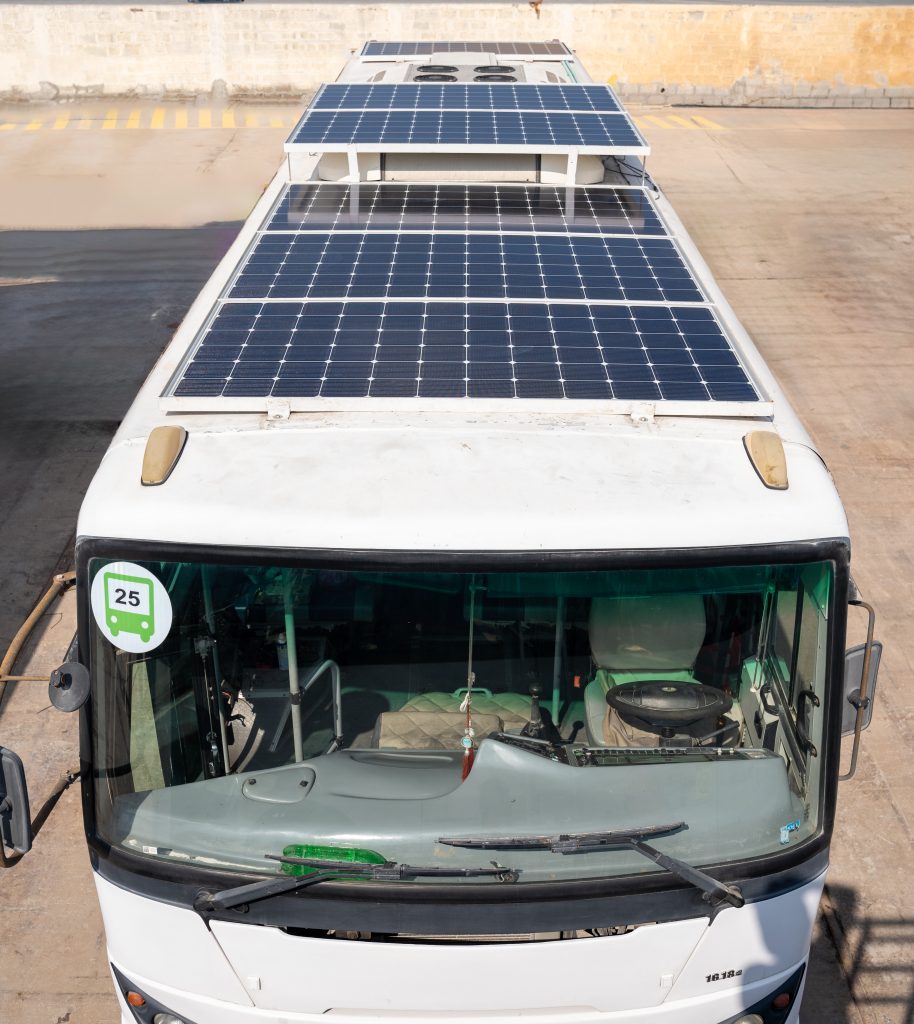
A solar bus refers to the transformation of a dual-engine bus into a single-engine electric vehicle. In the previous design, one engine powered the bus, while the other ran the bus’s air conditioning system. The term “solar bus” signifies the replacement of the traditional AC engine with an electric motor. This innovative approach enables bus cooling through a combination of solar energy and grid power, showcasing a more sustainable and efficient mode of operation.
06: How can logistics operations benefit from using solar energy?
Logistics operations can benefit from using solar energy by harnessing the power of the sun to generate electricity, reducing reliance on traditional energy sources. This results in cost savings, lower carbon emissions, and increased sustainability in the supply chain.
07: What solar technologies are applicable to logistics operations?
Logistics operations can utilize various solar technologies, including solar panels for electricity generation, solar-powered vehicles for transportation, and solar powered HVAC for vehicle air conditioning. These technologies contribute to a greener and more energy-efficient logistics system.
08: How are solar panels integrated into logistics facilities?
Solar panels can be integrated into logistics facilities by installing them securely on rooftops of vehicles, parking structures, and open areas. The generated solar power can be used to meet the energy needs of the vehicle, facility, including lighting, HVAC, and powering electric vehicles.
09: What are the cost implications of implementing solar energy in logistics?
While there is an initial investment in solar infrastructure, the long-term benefits, including reduced energy costs, often outweigh the upfront expenses. Over time, logistics companies can experience significant cost savings through solar energy adoption.
10: Can solar-powered vehicles be practical for logistics operations?
Yes, solar-powered vehicles can be practical for logistics operations, especially for short-distance transportation. Solar panels integrated into the vehicle’s structure can assist in powering auxiliary systems like HVAC, reducing overall emissions & energy consumption.
11: How do logistics companies store and manage solar energy?
Logistics companies can store excess solar energy using batteries. This stored energy can be used during periods when solar generation is low, such as at night or during cloudy days. Advanced energy management systems help optimize the use of stored solar power.
12: How does the use of solar energy align with sustainability goals in logistics?
The use of solar energy aligns with sustainability goals in logistics by reducing the carbon footprint, promoting clean energy practices, and contributing to a more environmentally friendly supply chain. This, in turn, enhances the company’s overall commitment to corporate social responsibility.
13: Can logistics companies of all sizes implement solar energy solutions?
Yes, logistics companies of all sizes can implement solar energy solutions. Whether large or small, integrating solar power can be scalable, starting with smaller installations and expanding over time based on the company’s needs and capacity.
14: How can a small logistics company with limited space for solar panels on their premises increase their area for solar panels?
One effective solution is to install solar panels on the rooftops of their vehicles. In the case of a bus, this can provide an additional space of about 10 square meters. This innovative approach allows the logistics company to maximize solar energy capture without requiring additional land or space on their premises. It’s a practical and mobile solution that can contribute to the company’s green energy initiatives.
15: Other than electricity generation, can solar panels serve any additional purpose on vehicles?
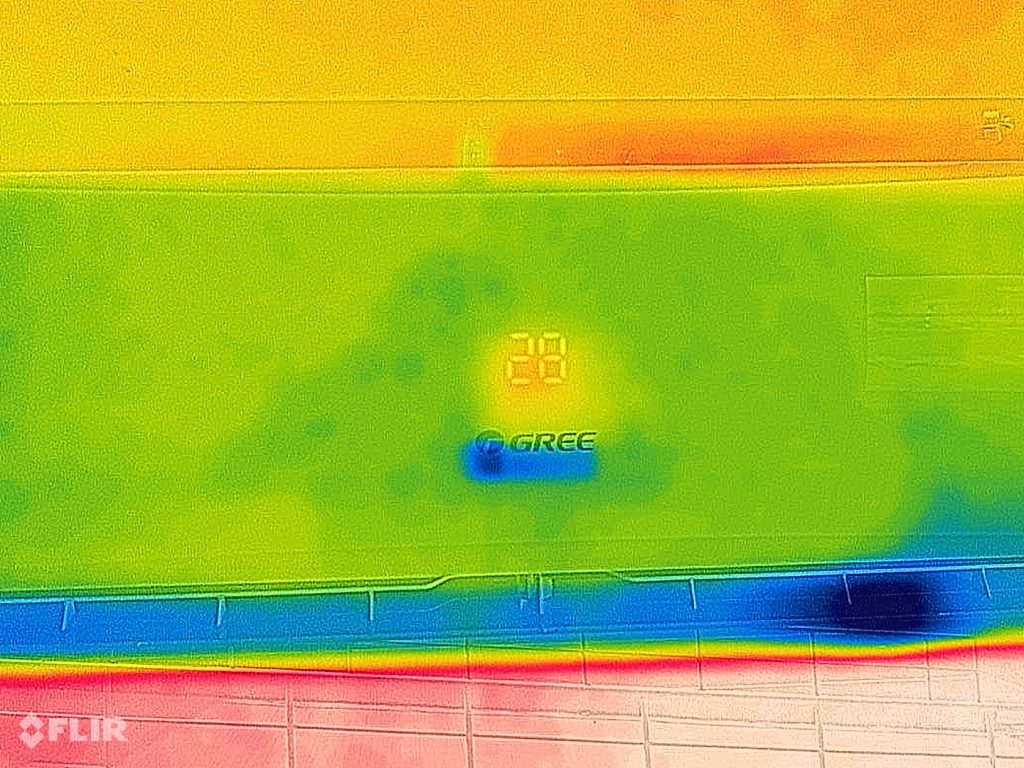
Yes, beyond electricity generation, the addition of solar panels on the vehicle can offer an extra layer of insulation. The glass on the rooftop would reflect excess sunlight, and the solar panels covering the roof would act as an additional sheet, particularly beneficial for labour buses. This not only enhances energy efficiency but also contributes to improved insulation for the vehicle’s interior.
16: What kind of battery is being used in the system, and why was a lead acid battery chosen?
The system utilizes a lead acid battery to maintain simplicity and ensure readily available, cost-effective replacement parts for easy maintenance.
17: What kind of maintenance would be needed for running the system over the years?
The maintenance requirements for the system involve standard procedures for the compressor, condenser, and evaporator, similar to those performed in a typical diesel engine-operated vehicle AC. However, notable differences include the elimination of engine-related tasks such as oil replacements, filter changes, drive belt replacements, and coolant replacements. The electric motor replacing the traditional engine requires minimal oiling for its parts and has significantly lower cooling capacity needs compared to a diesel engine. This results in a substantial reduction in maintenance costs by replacing the conventional unit.
18: What is the usual life of a solar panel, and how can this be compared to the life of the vehicle it would be installed on?
The typical lifespan of a solar panel in a fixed environment is 20 to 25 years. In contrast, the bus lifespan may range from 10 to 15 years based on its service location. The solar panels are engineered to outlast the vehicle’s usage and can be repurposed in subsequent vehicles, maximizing their overall lifespan. As solar technology evolves, leading to more efficient panels, upgrading to newer models becomes an option. In the event of an upgrade, we, as your sustainable partner, pledge to donate the retired panels to third-world countries. This initiative supports the establishment of solar power plants, contributing to their journey towards carbon neutrality.
19: If the cost of operation and emissions will go down by adding just the hybrid system, why should we add solar panels?
Integrating solar panels goes beyond mere cost and emission reduction; it’s a strategic utilization of minimal real estate for a sustainable future. Solar panels offer the opportunity to generate completely free electricity on the go and during idle times. While a hybrid bus may still use electricity derived from fossil fuels, even with lower emissions than a conventional diesel engine, solar panels provide an eco-friendly alternative. By harnessing energy from our sun, a distant nuclear reactor, readily available in our part of the world about 90% of the year, we embrace a cleaner and more sustainable approach to power generation.
20: How would the vehicle unladen weight be altered by converting the vehicle to a solar hybrid bus?
The conversion to a solar hybrid bus involves eliminating the diesel engine, which weighs approximately 400 kilograms. Simultaneously, we add batteries and solar panels, contributing an equivalent weight to the vehicle. In essence, this conversion does not alter the carrying capacity of the bus, ensuring that it maintains its original load-bearing capability.